16 Questions to Ask Your Wedding Photographer Before You Book
You’re at the start of wedding planning and the idea of finding a photographer feels overwhelming. That’s normal. Photography is one of the few vendors whose work you’ll have for a lifetime, so choosing the right person matters. Below is a clear, step-by-step process for finding and hiring a wedding photographer, followed by the specific questions most couples ask and the answers you should expect.
I was a vendor at a wedding fair recently, and I noticed a common theme in the conversations I had with couples. When I asked, “Do you have any questions about photography?” so many responded with, “We don’t even know where to start or what to ask.”
That’s exactly why I put this blog post together, to walk you through the most important questions to ask when you’re considering a photographer for your wedding day.
How to begin: a practical roadmap
Set your priority and style. Decide what matters most: candid storytelling, editorial portraits, fine art, moody film looks, or a mix. Browse portfolios on websites and social media to identify photographers whose final images consistently match that style.
Establish your budget. Photographers’ prices vary widely. Determine a realistic range early so you only contact vendors you can afford. Remember: you’re paying for experience, equipment, post-production, and the deliverables (digital files, albums, prints).
Create a short list. Aim for 3–6 photographers whose work, availability and price range align with your needs.
Check availability. Contact each photographer with your wedding date and venue to confirm they’re available before doing deeper research.
Review full galleries. Ask to see several full wedding galleries (not just highlight reels). Full galleries show consistency across lighting conditions and moments throughout an entire day. Make sure the photographers you have selected show various albums with reception flash or off camera lighting situations.
Read reviews and references. Look for recent client feedback on Google, Facebook, wedding forums, and ask each photographer for references from recent weddings.
Meet (in person or virtually). Chemistry matters. A 30–60 minute conversation will tell you if you’ll be comfortable with them on the day.
Discuss contract and deliverables. Confirm what’s included (hours, number of photographers, travel fees, image licensing, turnaround time, albums or prints) and read the contract carefully.
Reserve your date. Pay the retainer and sign the contract to secure the photographer.
Plan the timeline together. Share your ceremony/reception timeline, family photo list, and any special moments you want captured.
Confirm logistics near the wedding. A month before, confirm arrival times, second shooter needs, vendor contacts, and any venue rules.
Essential questions to ask right away (and why they matter) Use these during your first contact or consultation.
Are you available on our wedding date? Why: It’s straightforward and if they’re booked, move on.
What is your photography style? Why: Ensures their aesthetic aligns with yours. Ask for specific examples or galleries representing that style.
Do you shoot full weddings (full day) or hourly? Why: Some packages are hourly; others are full-day. Know how many hours you’ll need to capture getting ready, ceremony, portraits and reception.
Do you work with a second shooter or assistant? Why: A second photographer is invaluable for simultaneous coverage (groom prep, different angles at ceremony) and faster portrait transitions. Although some photographers who have been in the industry for 10+ years may not need a second, it’s still always a good question to ask.
Can I see full wedding galleries? Why: Highlight reels can hide inconsistencies. Full galleries show how they handle low light, weather, timeline constraints and real moments.
What’s included in your packages? (hours, number of images, print rights, albums) Why: Clarifies what you get and avoids surprises. Ask exactly how many edited images and whether raw files are provided.
What is your pricing and payment schedule? Why: Know the total cost, deposit required, payment deadlines and refund/cancellation policy.
Do you charge travel or accommodation fees? Why: Destination weddings or remote venues can add costs. Confirm upfront.
How long after the wedding will we receive our photos? Why: Turnaround times vary from a few weeks to several months. Make sure it fits your expectations for engagement announcements, sharing and album design.
How will we receive the photos? (online gallery, USB, print options) Why: Understand the delivery method, download limits and whether prints are available.
Do you offer albums or prints, and can we order them later? Why: Many photographers offer custom albums; ask if these are included or an add-on and about options for ordering later.
What happens if you are ill or there’s an emergency? Why: Check the backup plan. Do they have a reliable substitute or team who knows their poses/style?
How do you handle family/group photos? Why: Ask about their process for organizing group shots efficiently and whether you can provide a shot list.
Will you help create a photography timeline? Why: Experienced photographers advise on timing for portraits and lighting; this ensures the day flows and you get the images you want.
What’s your approach to posed vs candid photos? Why: Confirms the balance of portraits and documentary-style photos you prefer.
Are you insured? Why: Venues often require vendor liability insurance. A professional photographer should have it.
Asking these questions before hiring your photographer ensures you hire someone whose experience, style and working methods match your vision, so your day flows smoothly and the images reflect what matters most. It reveals how they handle timing, lighting and unpredictable moments; clarifies deliverables, usage rights and costs; and prevents surprises that can compromise coverage or final images. Thoughtful questions also build trust and communication, giving you confidence that your photographer will be calm, professional and proactive when it matters. In short: the right questions protect your investment, safeguard your memories, and help guarantee photographs you’ll cherish for a lifetime.

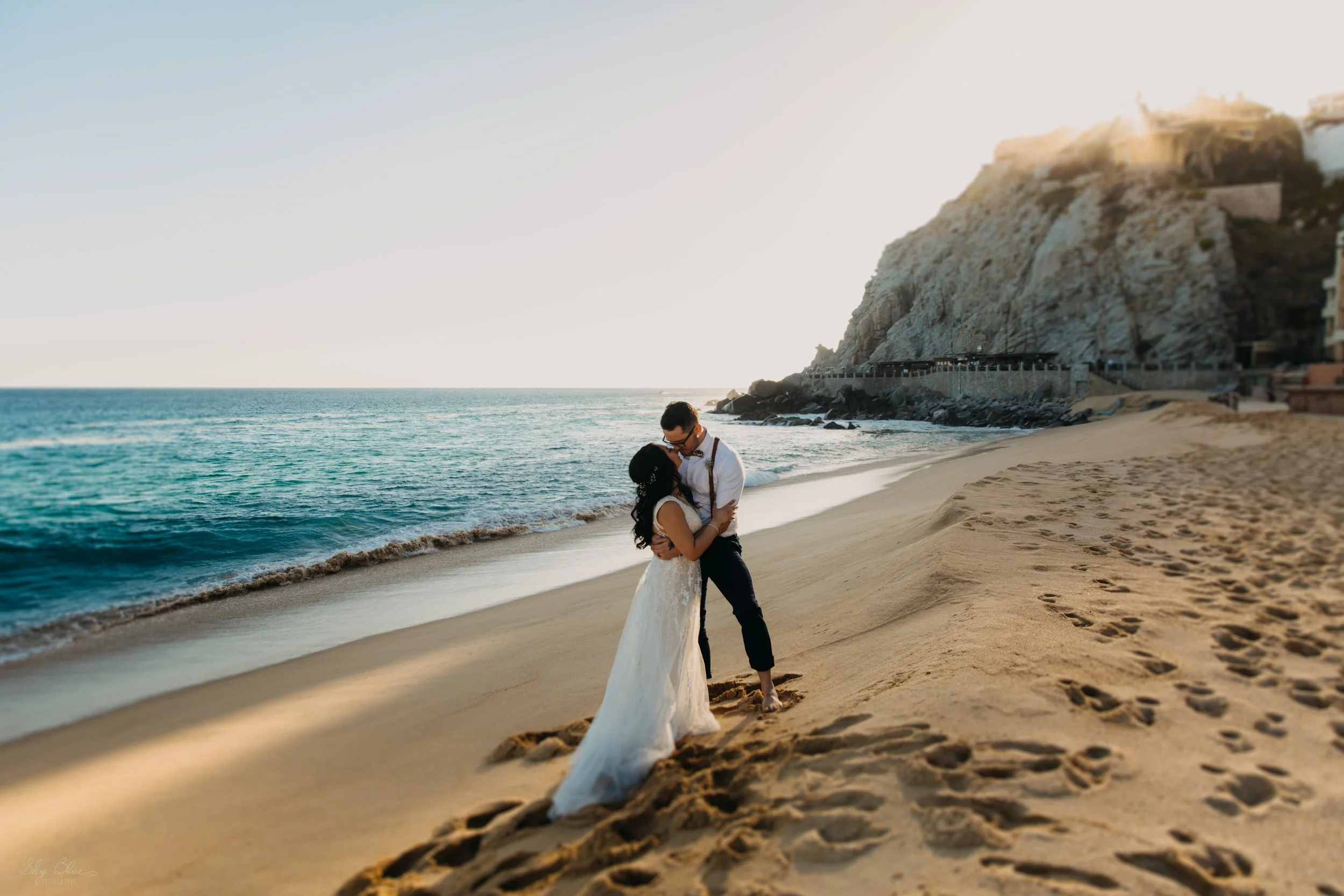
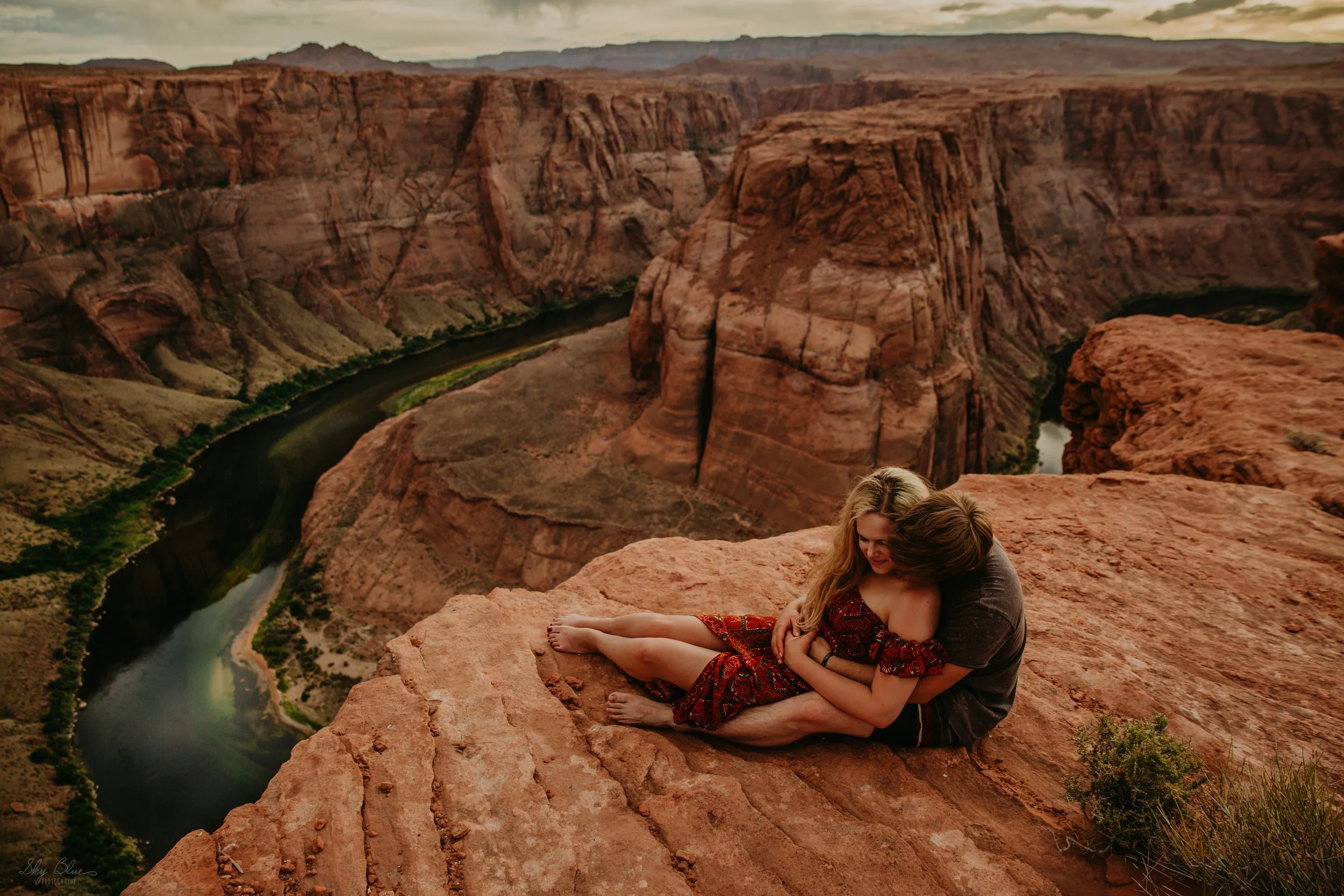
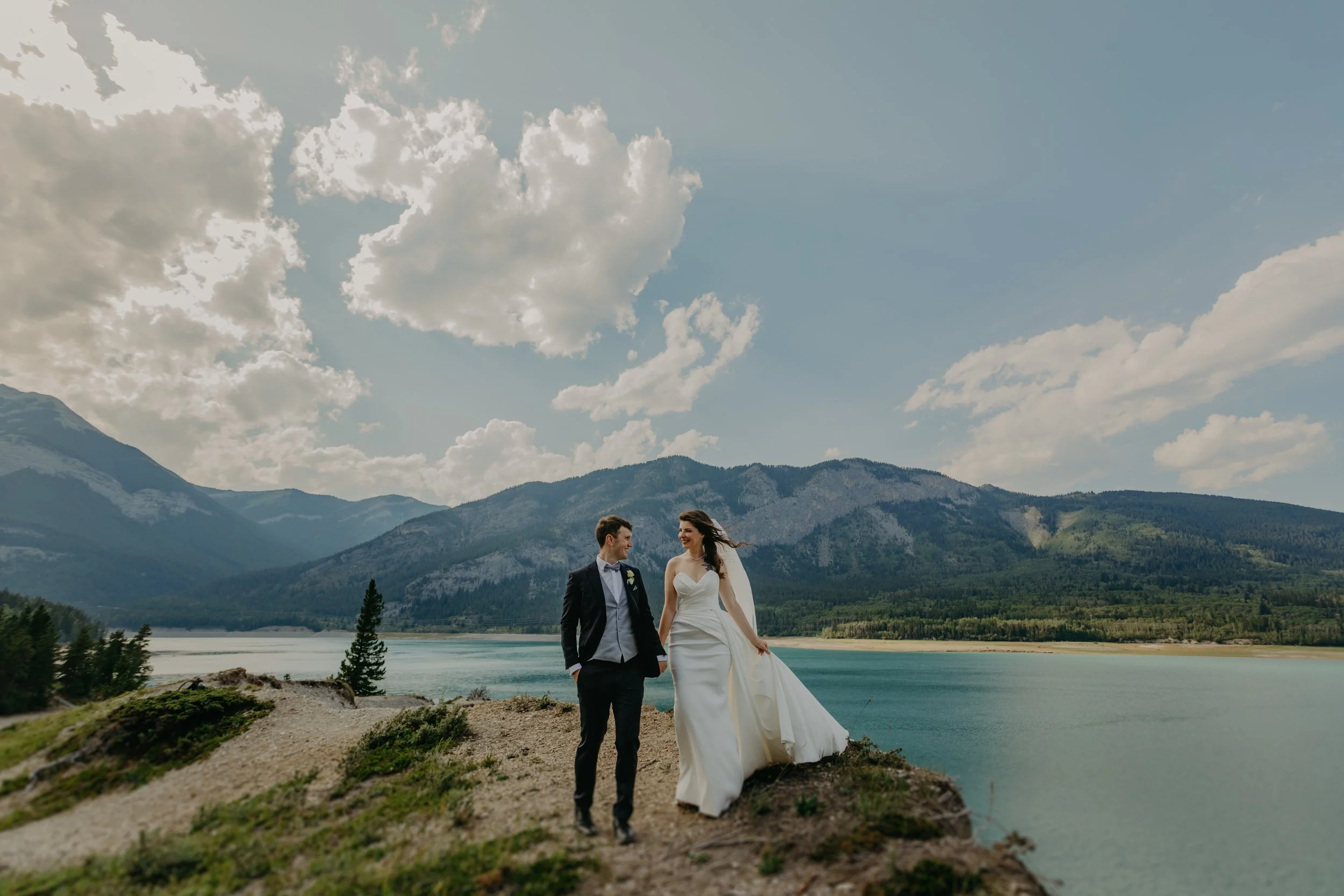
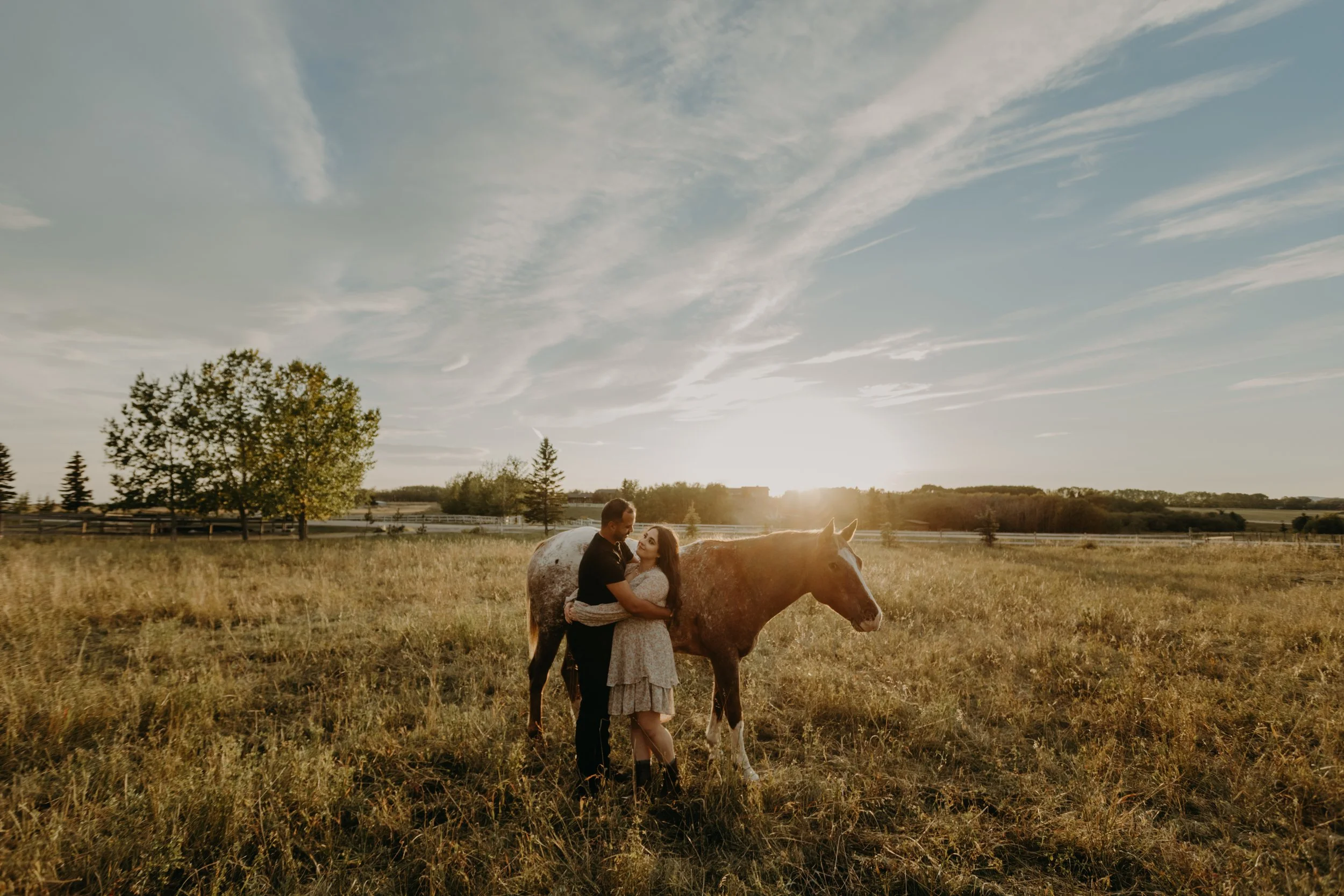
Why photography is an investment
Memories preserved: Photographs capture moments that fade from memory. Professional images keep the look, emotion and context of your wedding intact for decades for you, your children and future generations.
Emotional and financial value: High-quality images increase in emotional value over time. They become family heirlooms and often show up in home décor, albums and gifts that hold sentimental worth well beyond the original cost.
Return on experience: Professional photography provides a reliable experience, planning, communication, timing, and delivery that reduces stress on important days. That smooth experience is part of the value you’re buying.
Tangible assets: Prints, albums and wall art created from professional files are durable, archival items that won’t degrade quickly. These physical products retain both sentimental and monetary value.
Why you pay a high-end photographer instead of a low-end photographer
Technical mastery: High-end photographers control exposure, composition, lighting and colour consistently in-camera and during post-processing. That technical skill prevents blown highlights, poor posing, missed focus and colour casts that are hard or impossible to fix afterwards.
Artistic vision and storytelling: Experienced photographers see and create narrative moments rather than only documenting events. They anticipate emotion, craft flattering compositions and sequence images to tell a complete story of your day.
Reliable equipment and backups: Professionals use high-end cameras, lenses, lighting and external storage. They have backups for gear and files, reducing the risk of lost images due to equipment failure.
Proven workflow and turnaround: Established photographers follow repeatable workflows for shooting, editing, colour management and delivery. That means consistent colour and sharpness, secure file handling and predictable delivery times.
Professional retouching and finishing: High-end work includes careful editing, skin retouching that looks natural, colour grading that suits the subject, and print-ready file preparation. Low-end editing often appears over-processed, inconsistent or amateurish.
Experience with problem-solving: Professionals handle challenging situations, poor light, bad weather, venue restrictions, calmly and creatively so you still get beautiful images.
Legal protection and professionalism: Contracts, insurance and clear usage/licensing protect both you and the photographer. This removes ambiguity about deliverables, timelines and rights.
Better final products: Albums, wall prints and archival media produced through a high-end photographer use quality materials and printing processes so images look their best and last longer.

The differences and why they matter
Consistency vs gamble: A high-end photographer delivers consistent, high-quality results. A low-end photographer might succeed sometimes but can be uneven. On a one-time event like a wedding, consistency matters, you can’t redo the day because the photos are poor.
Longevity vs short-term savings: Cheaper options save money up front but often result in images that fade, colours that shift or prints that deteriorate. Investing in quality preserves the images for decades.
Emotion vs documentation: Low-end shooters often document events; high-end photographers create emotive images that resonate. The latter become cherished family artifacts rather than mere records.
Stress reduction vs uncertainty: Professional services include planning, communication and contingency plans. That lowers stress on your important day; hiring the cheapest option can add uncertainty and worry.
Time and attention to detail: High-end photographers devote more time to planning, shooting and careful editing. That attention produces refined images with thoughtful composition, correct exposure and appropriate retouching.
Photography is an investment in memories, emotional legacy and physical artefacts that last. Paying a high-end photographer buys technical skill, artistic vision, reliable systems and quality final products, all of which matter most when the moment can’t be recreated. When you prioritise experience and quality, you get photographs that preserve the feeling and story of your life’s most important events.